Recent Works in Textile, Memory, and Ancestral Presence
Memory has a way of making itself known in unexpected places. It resides in the body, settles into the rooms we inhabit, and passes between generations through gestures, rituals, and stories that are sometimes told and sometimes withheld. Much of my work emerges from an interest in these quieter forms of inheritance, particularly the ways Black histories endure beyond the boundaries of the written archive.
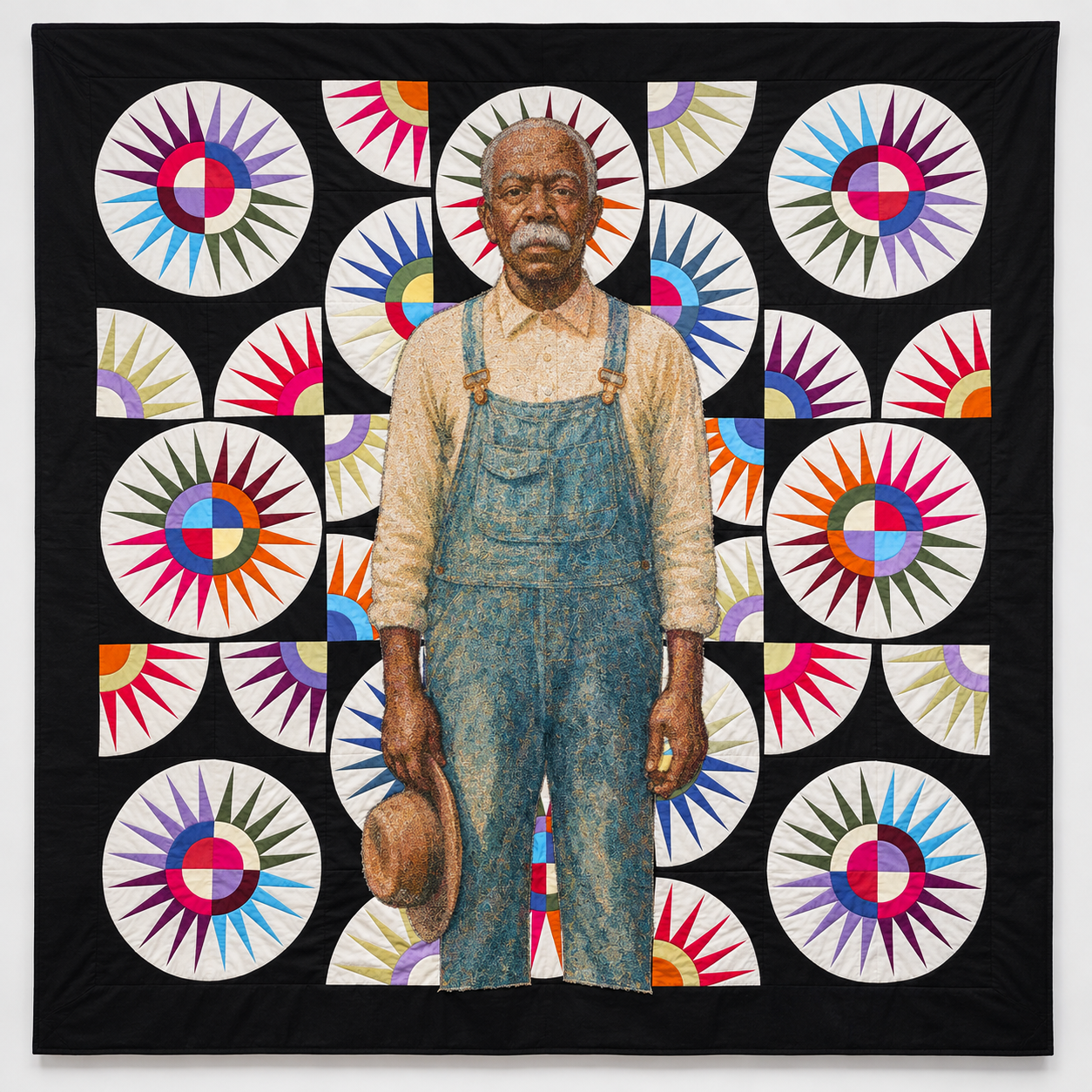
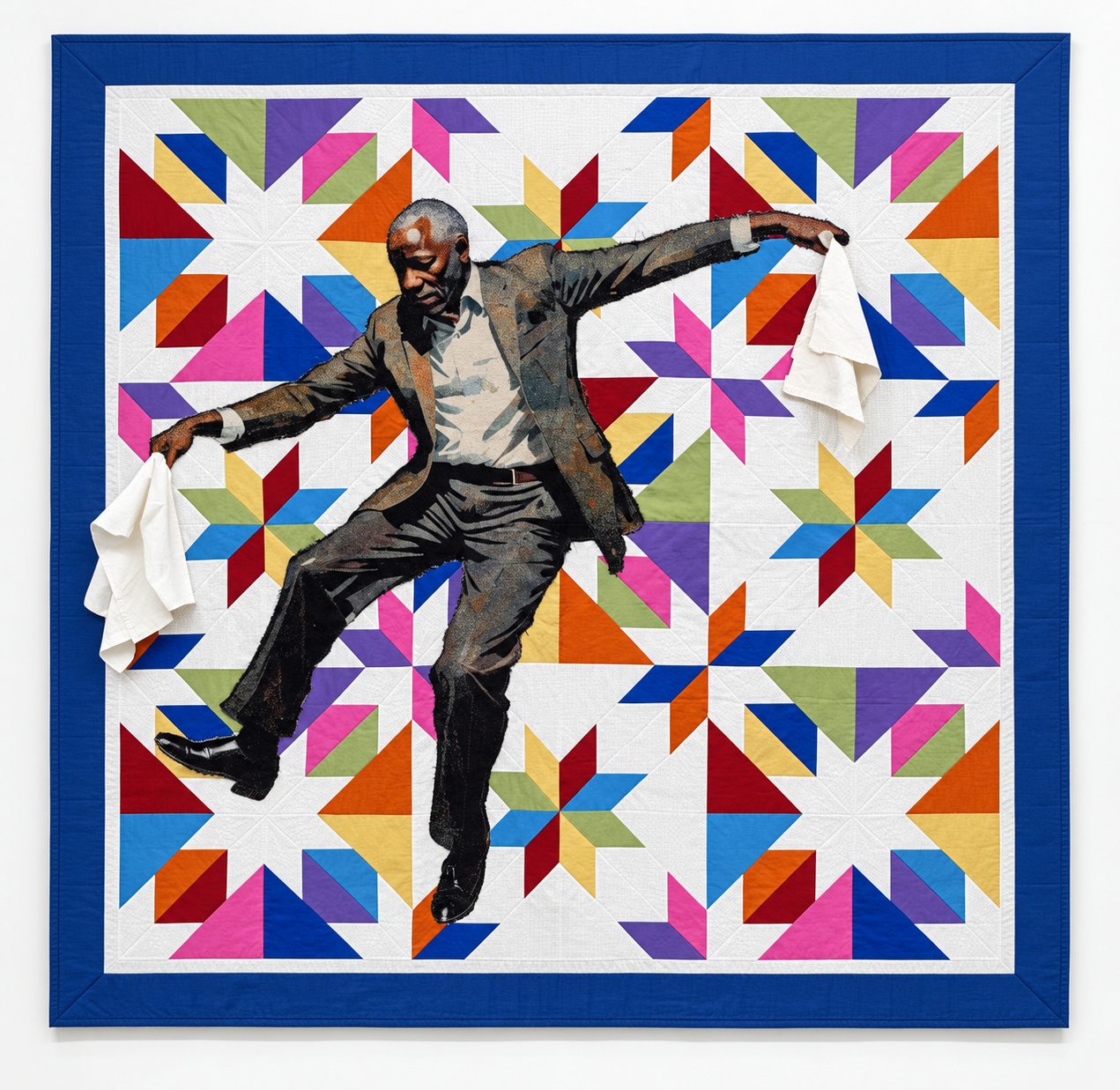
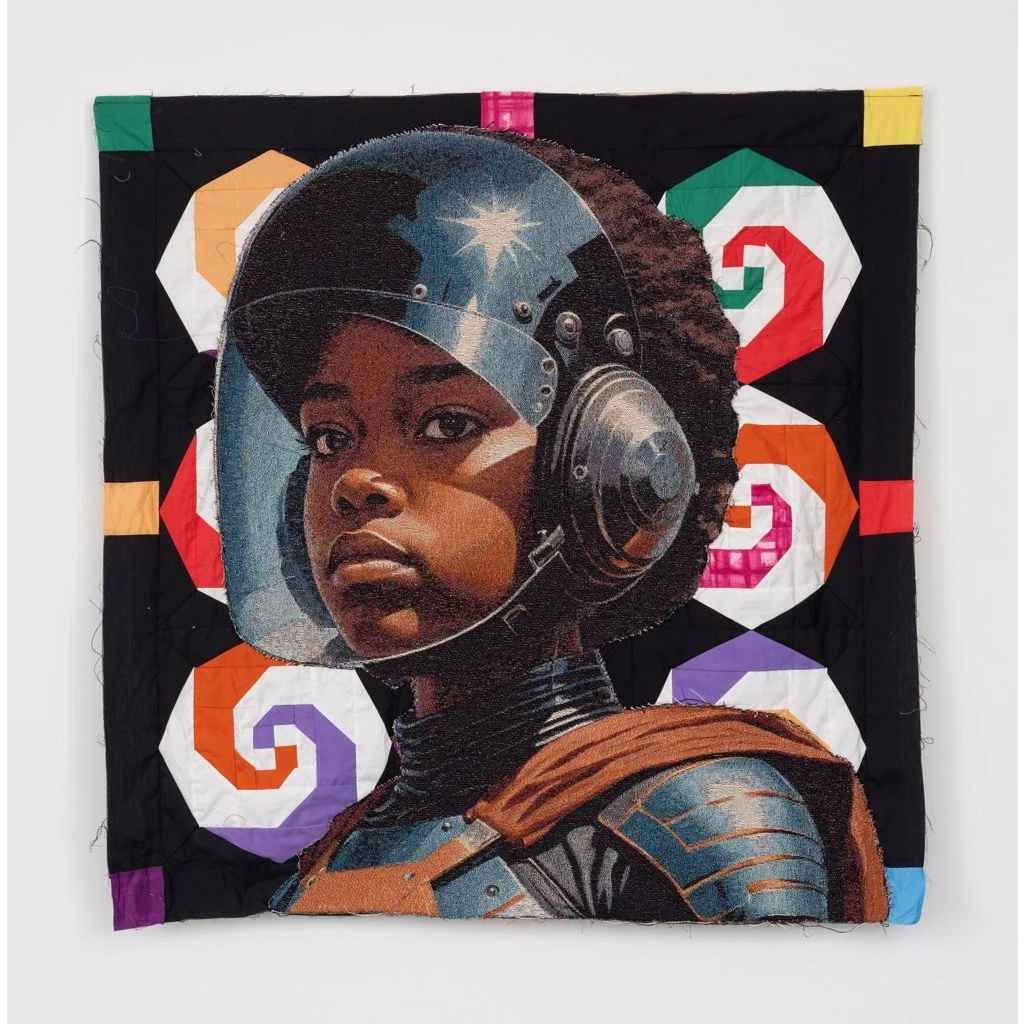
Working across textile, portraiture, sculpture, and performance, I consider the relationship between what we remember and what we have been taught to forget. In recent bodies of work, including The Weight of Joy, Hush Harbors, and Field Notes from the Future, I have been drawn to the interior dimensions of Black life: the intimacy of domestic spaces, the sacredness of gathering, the persistence of joy, and the possibility that ancestral memory might offer something beyond an account of the past. These works are less concerned with illustrating history than with attending to the lives that have unfolded within it, lives marked not only by struggle but also by tenderness, pleasure, imagination, and ordinary acts of self-possession.
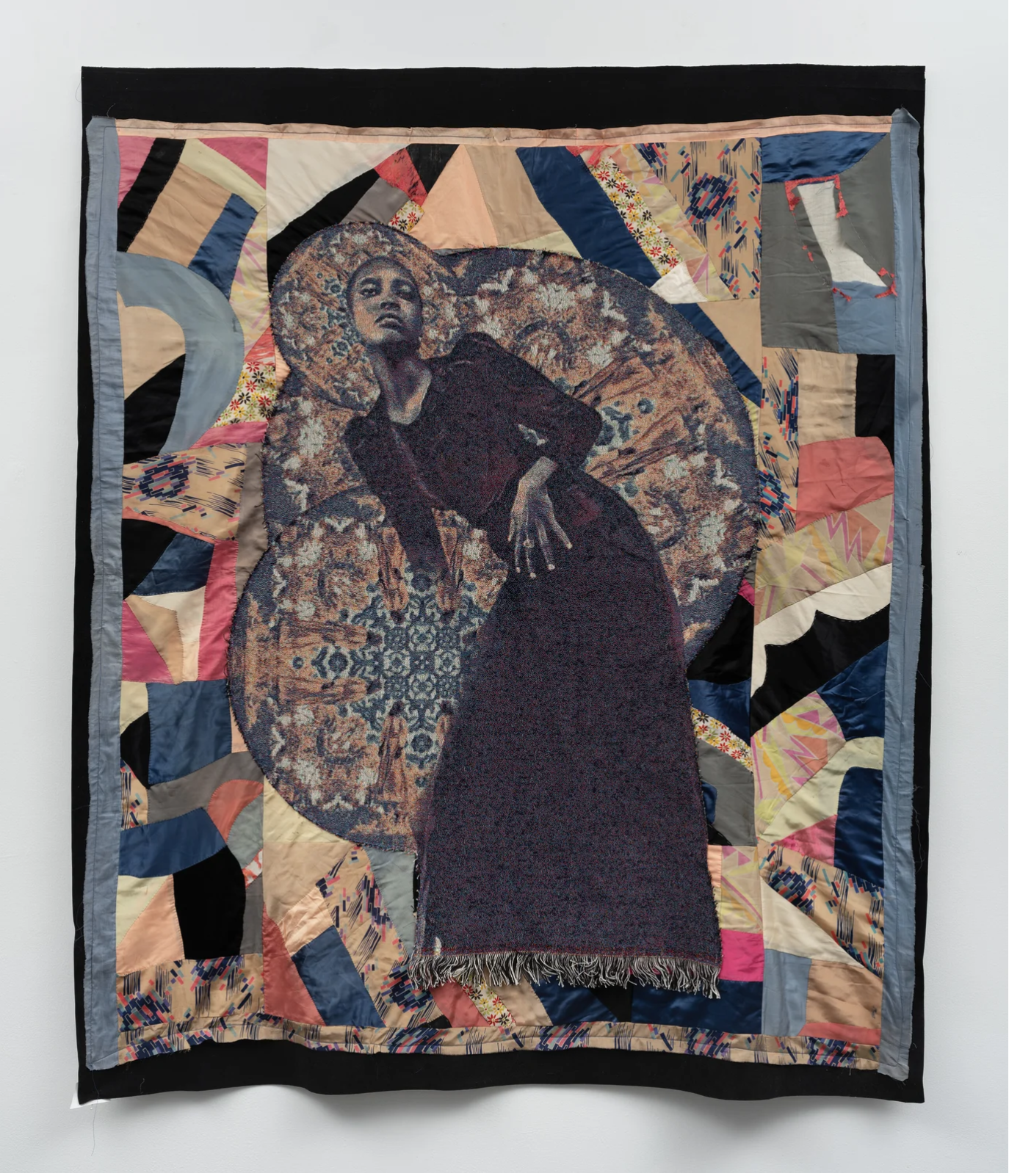
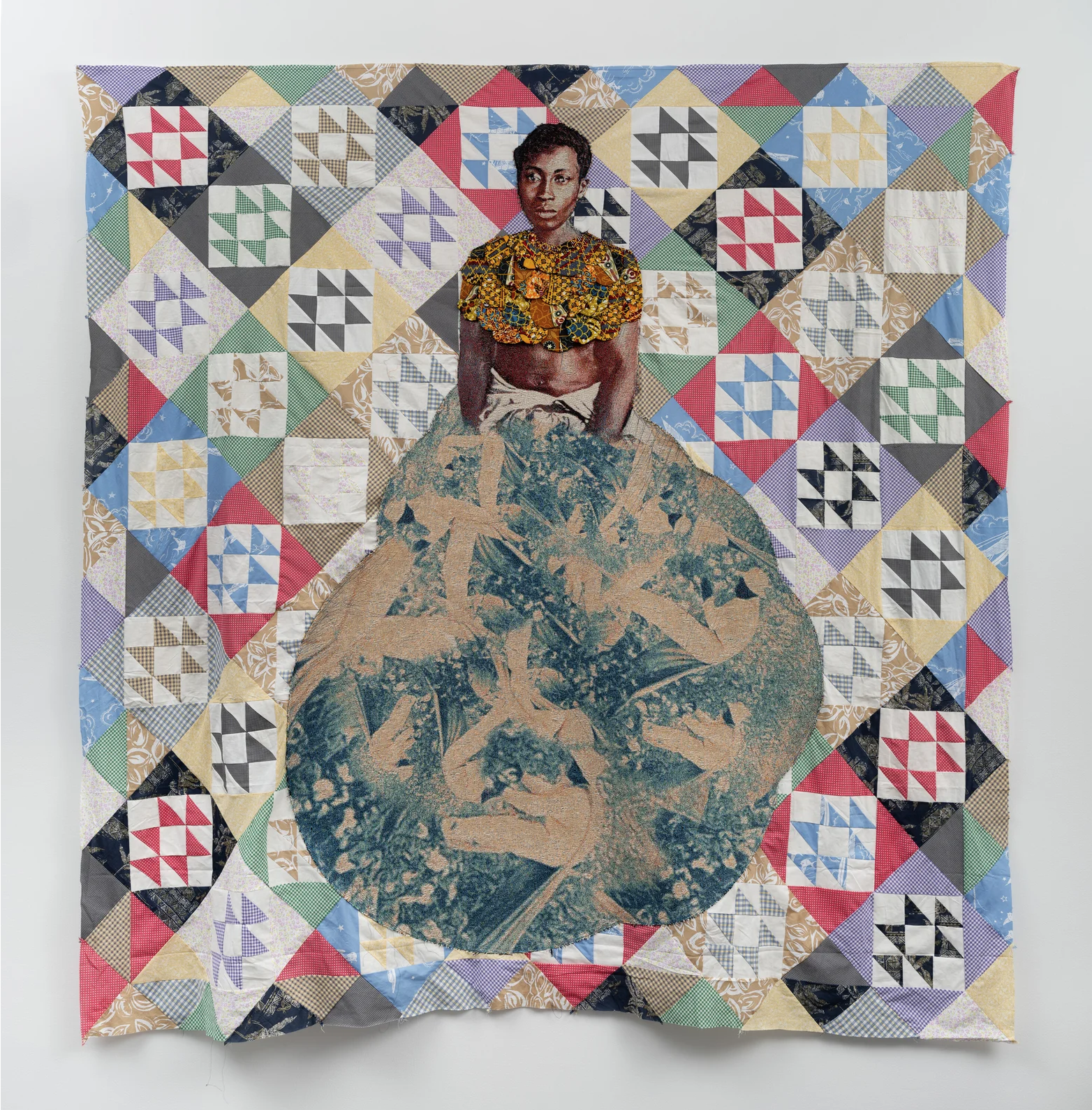
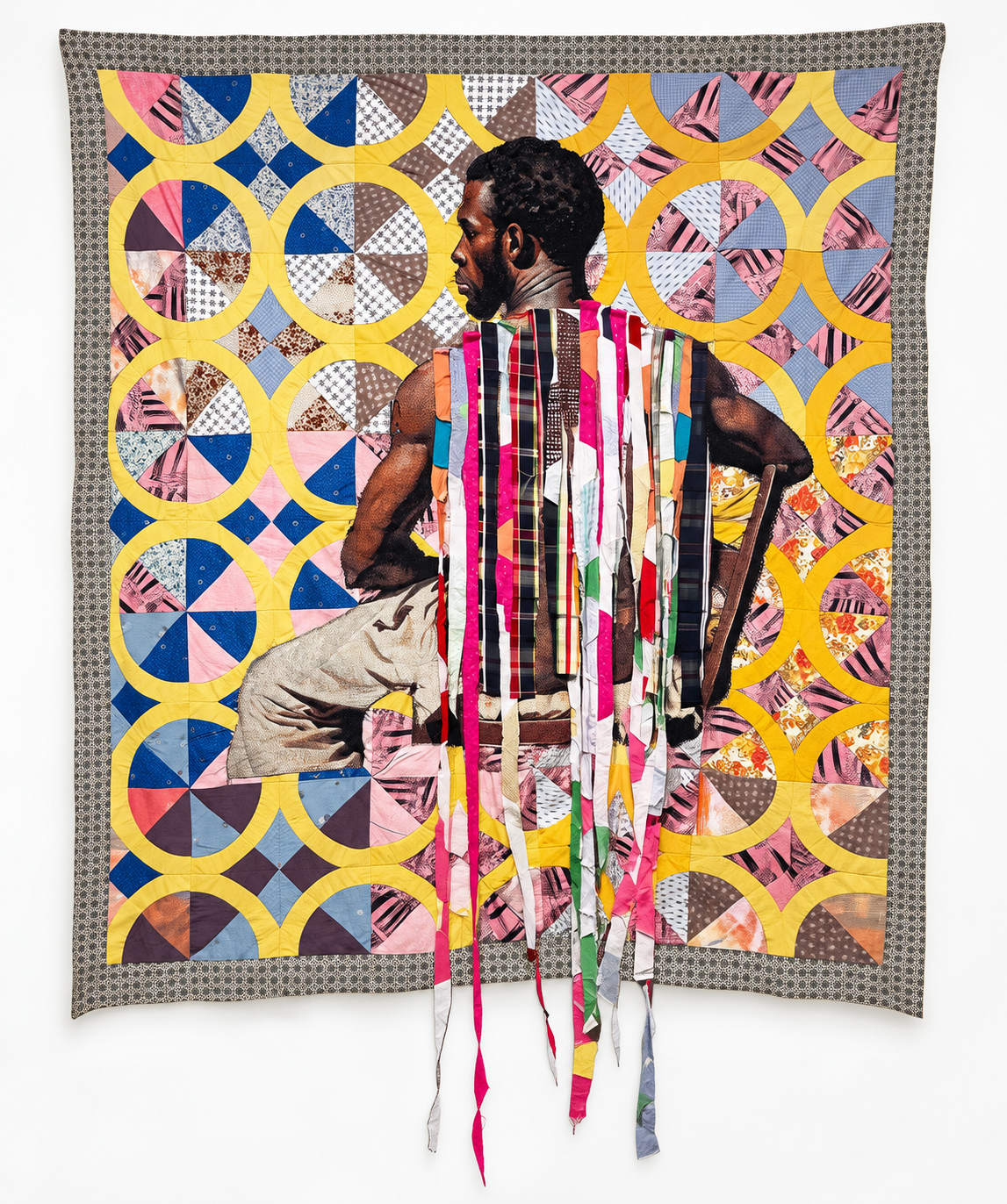
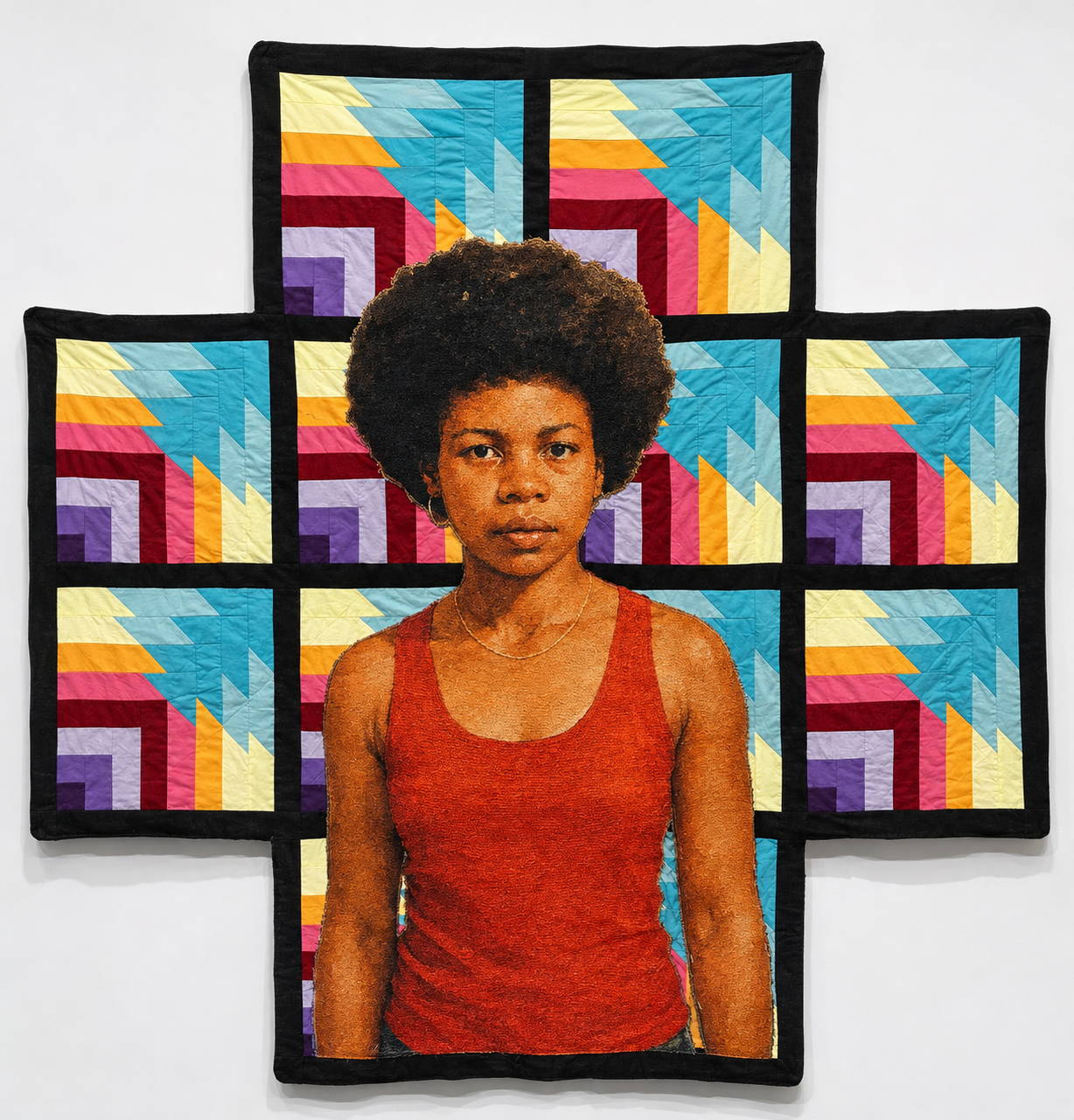
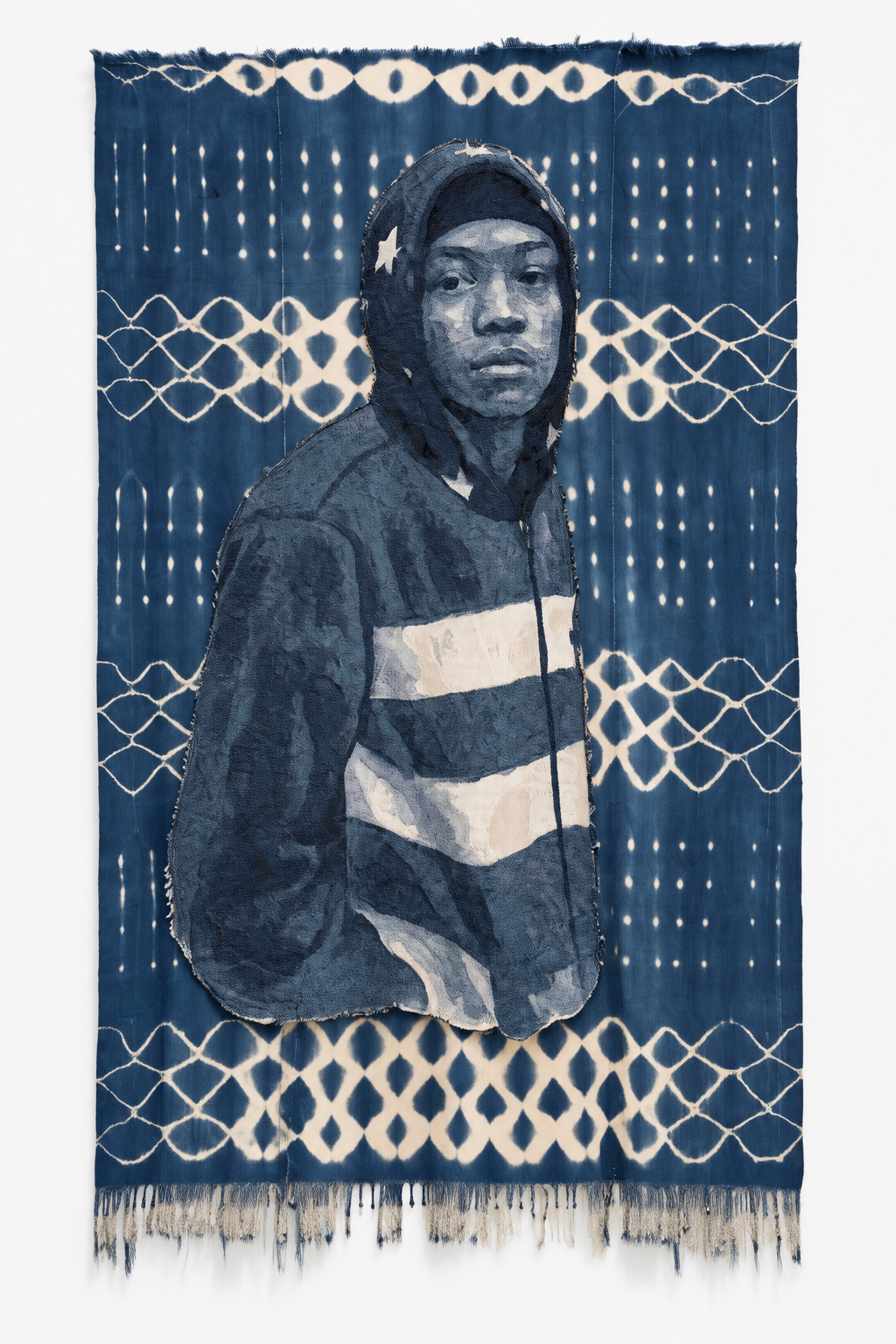
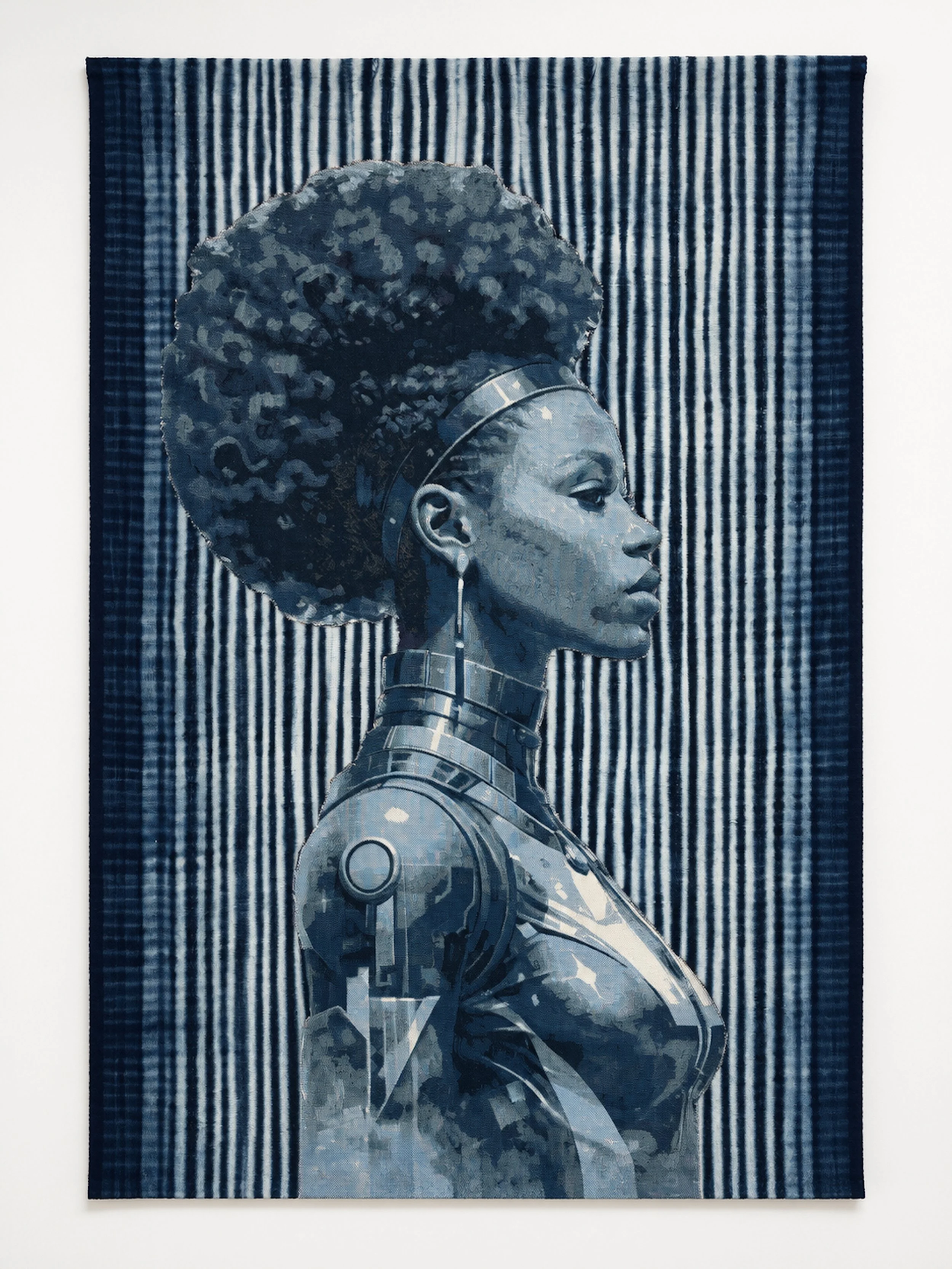
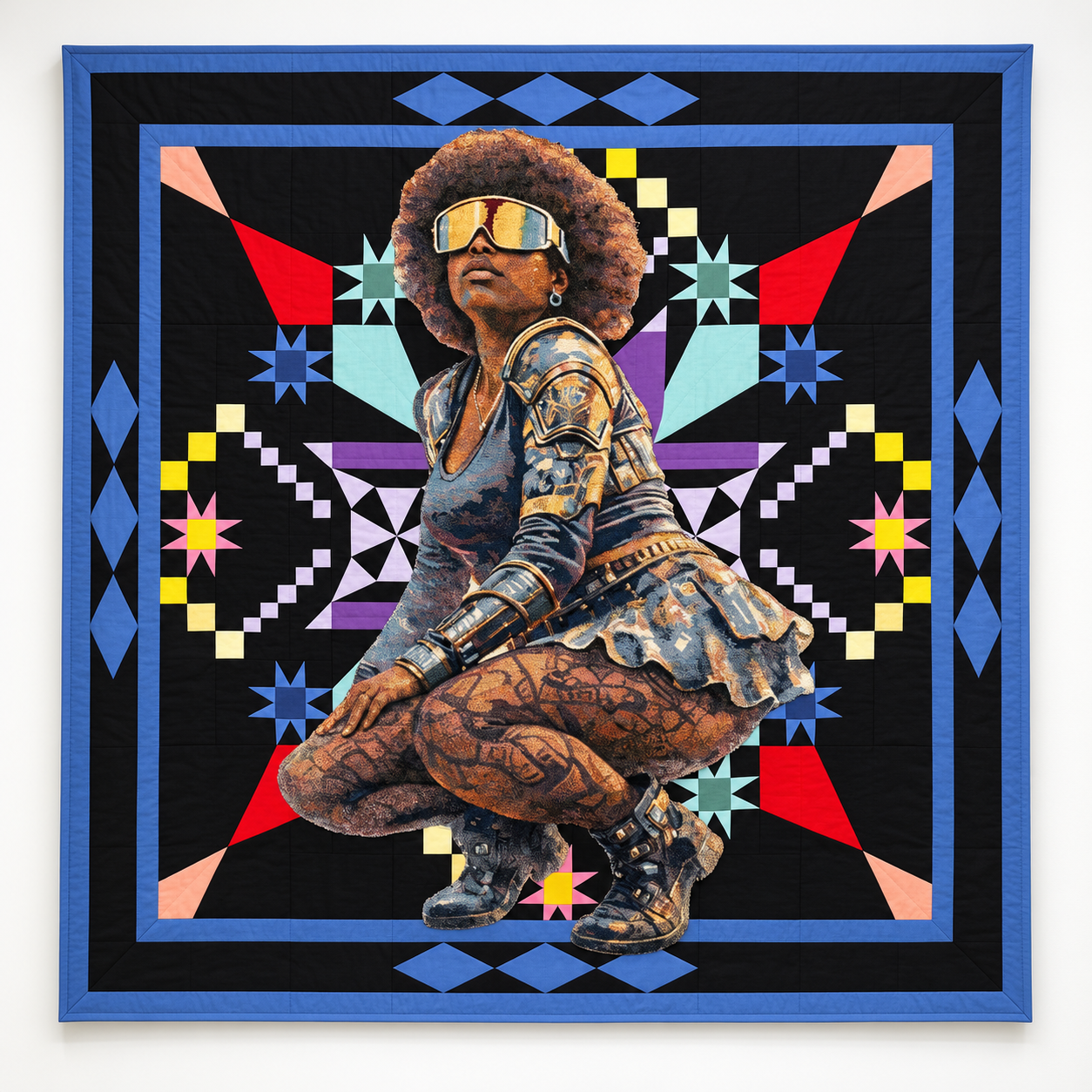
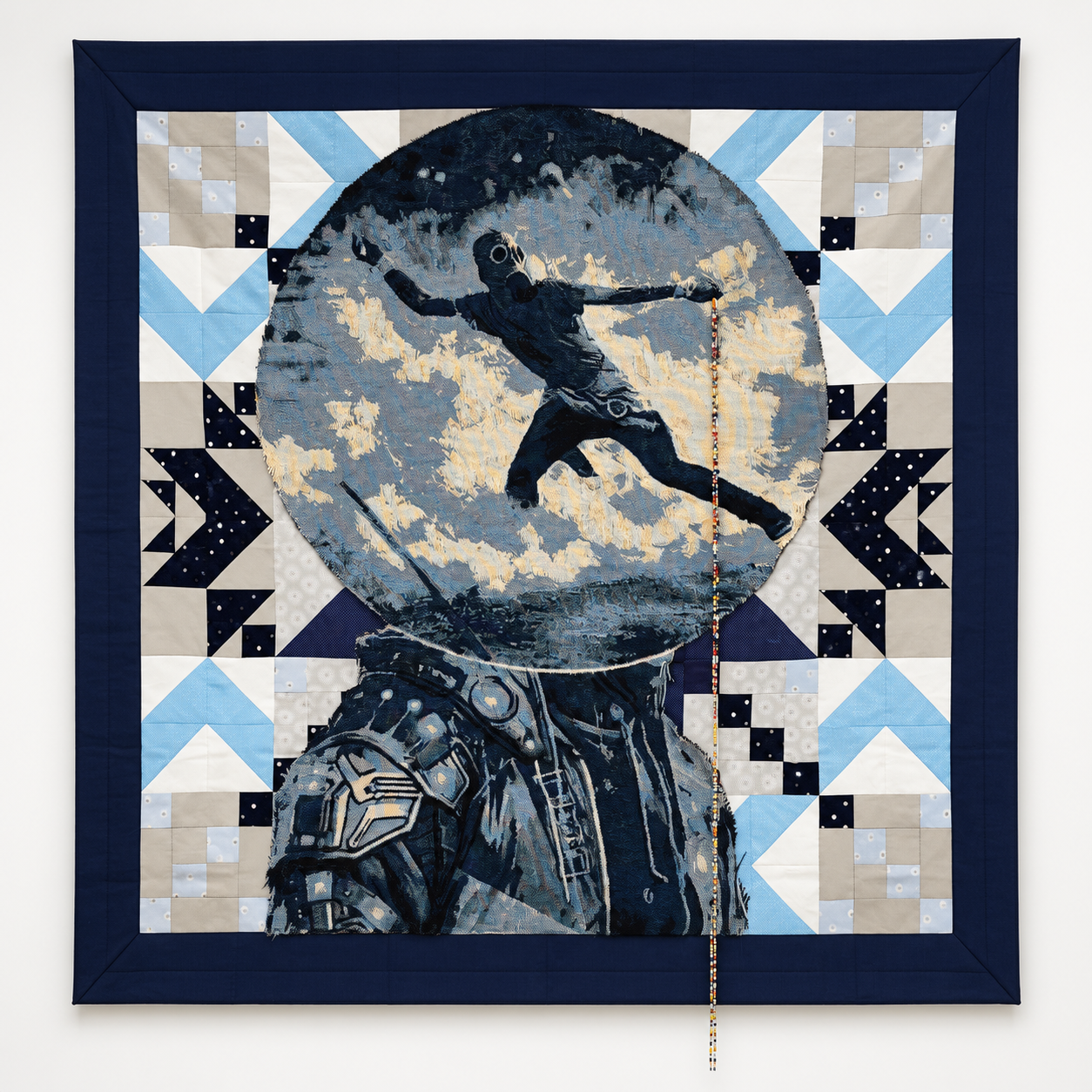
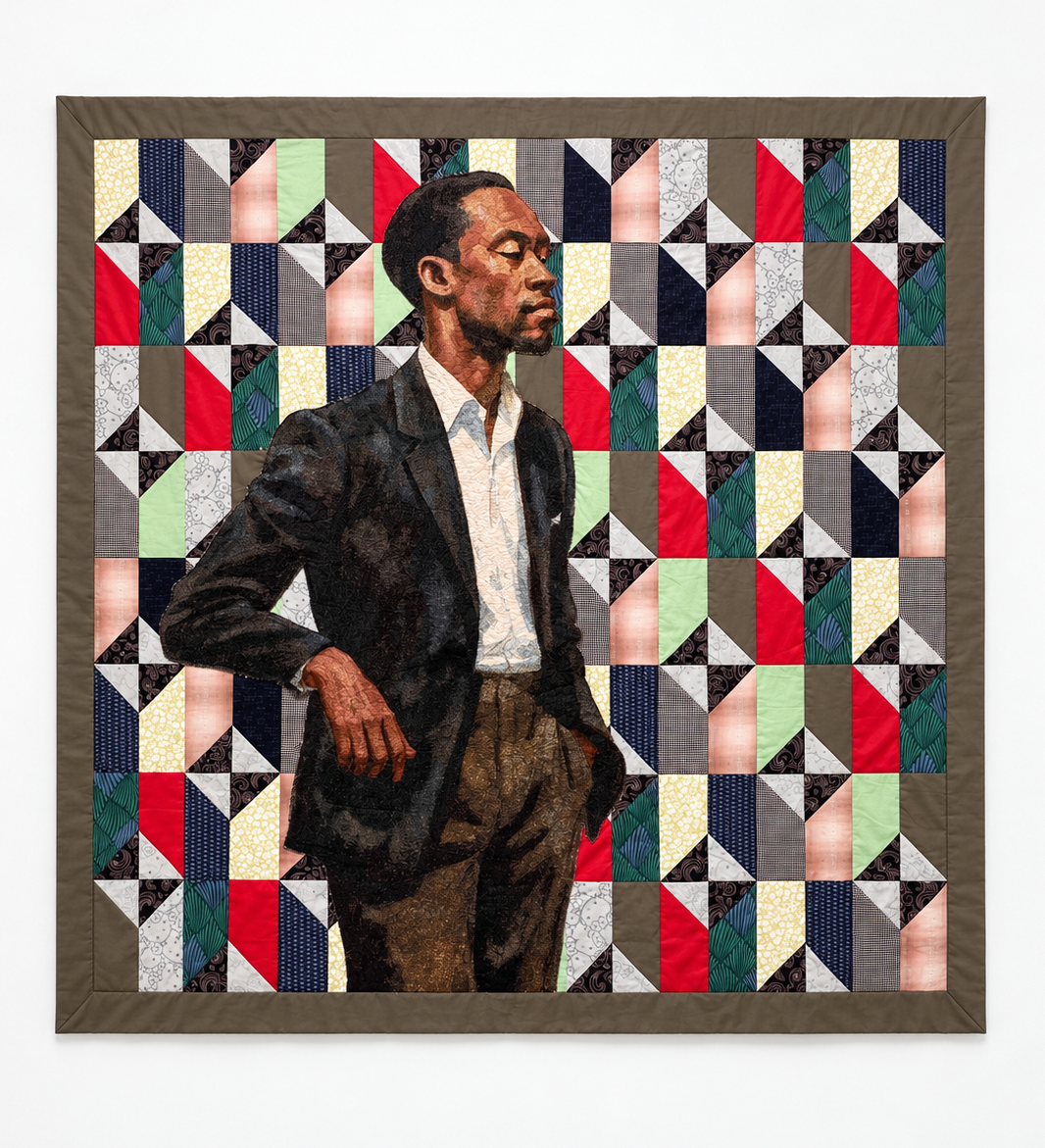
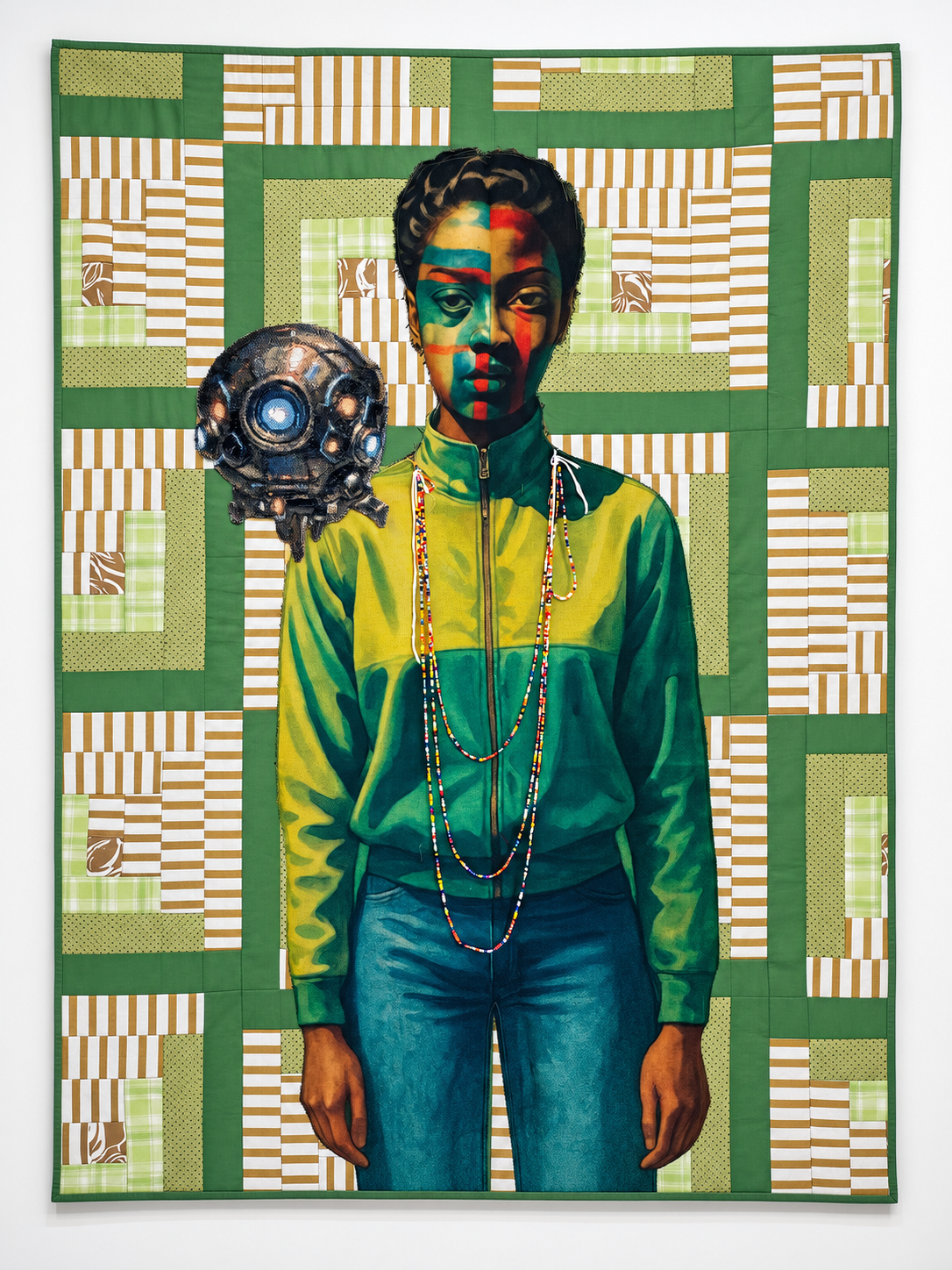
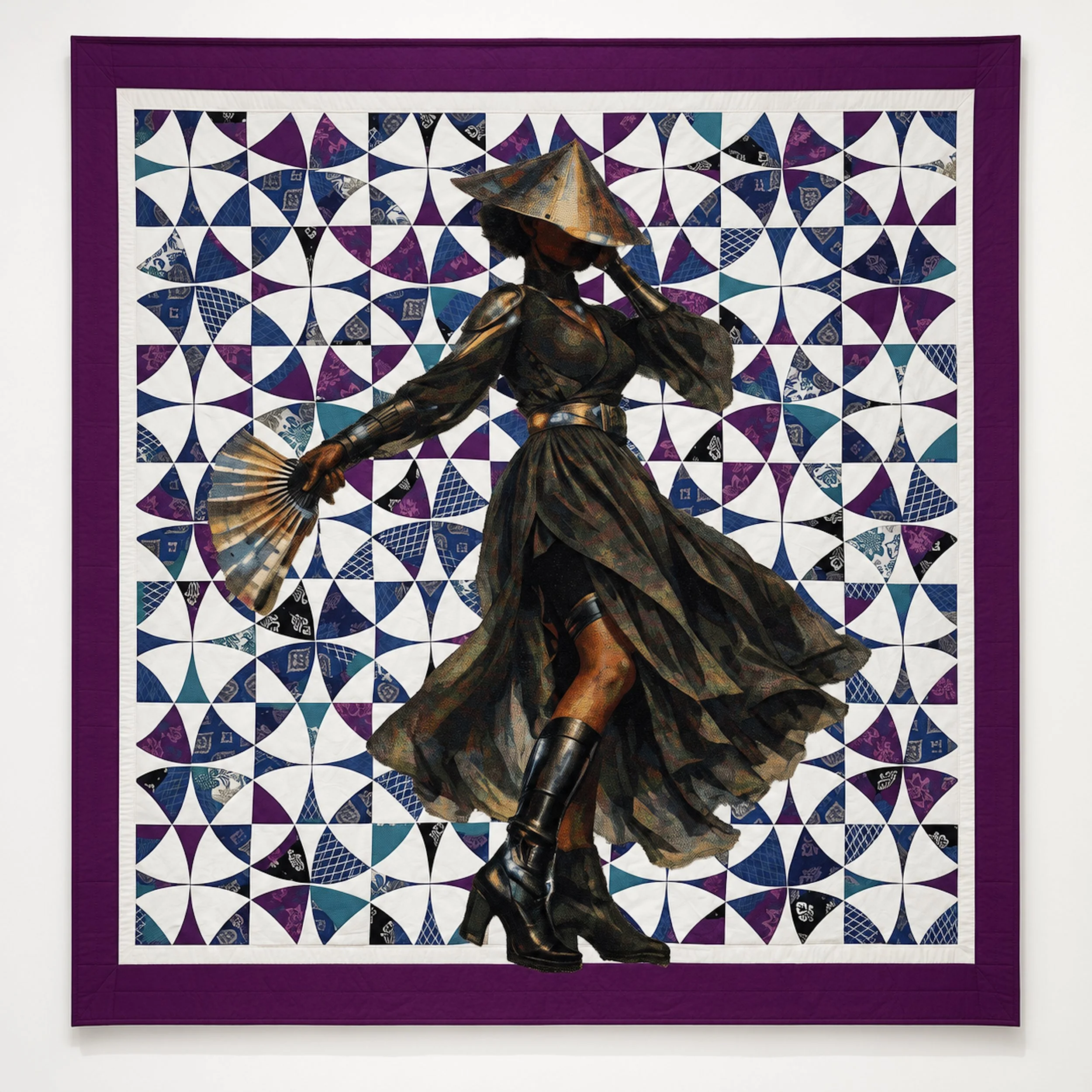
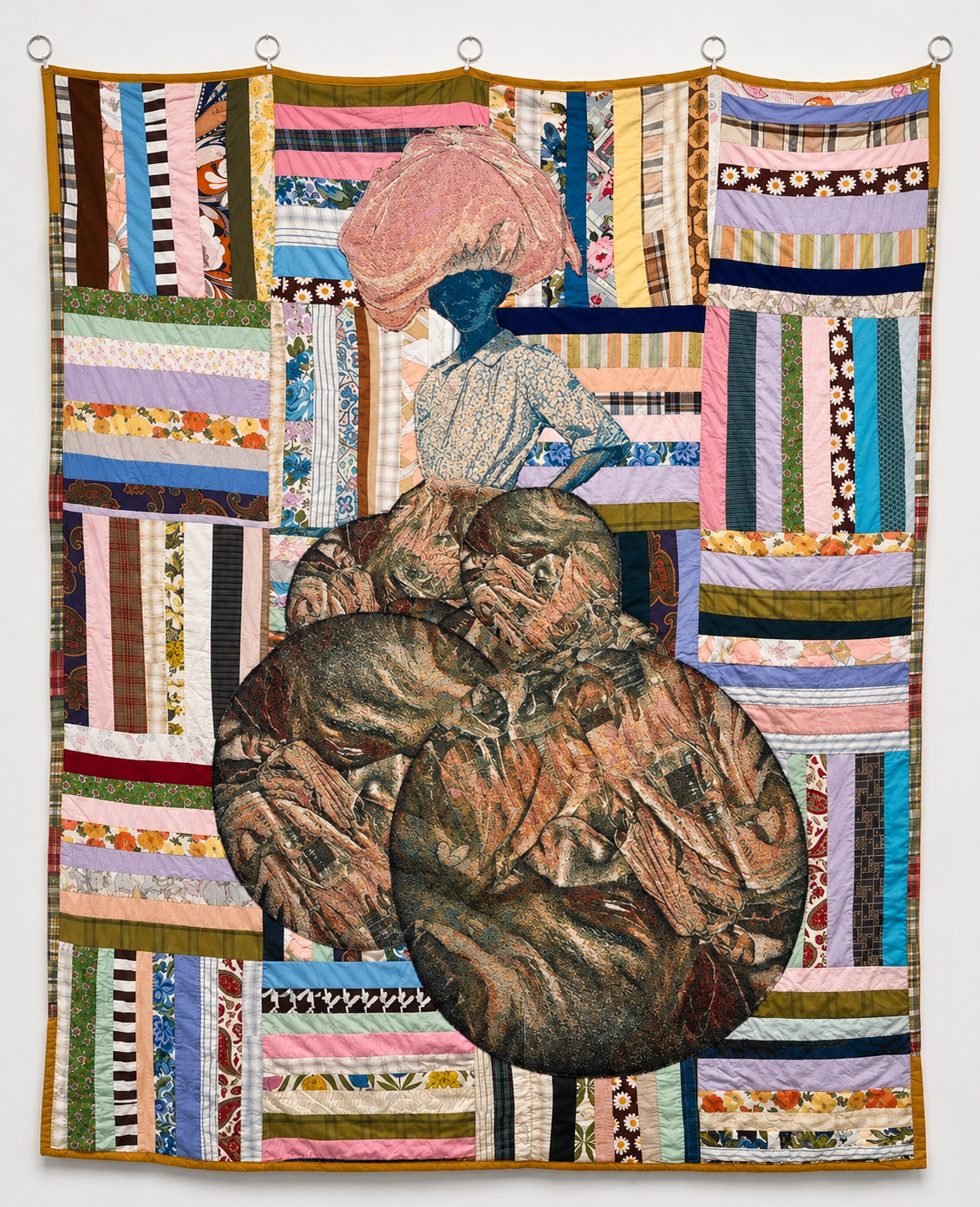
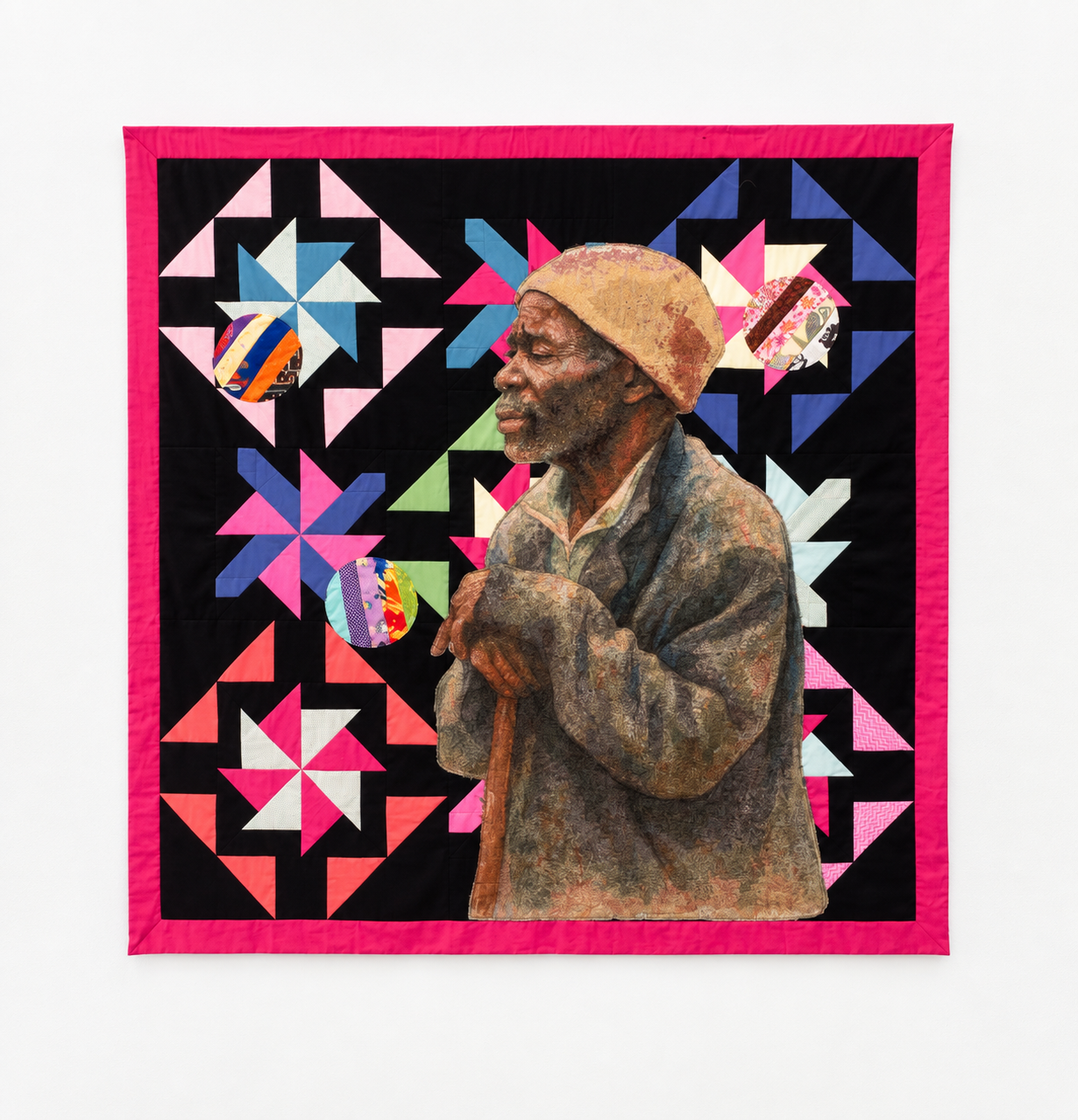
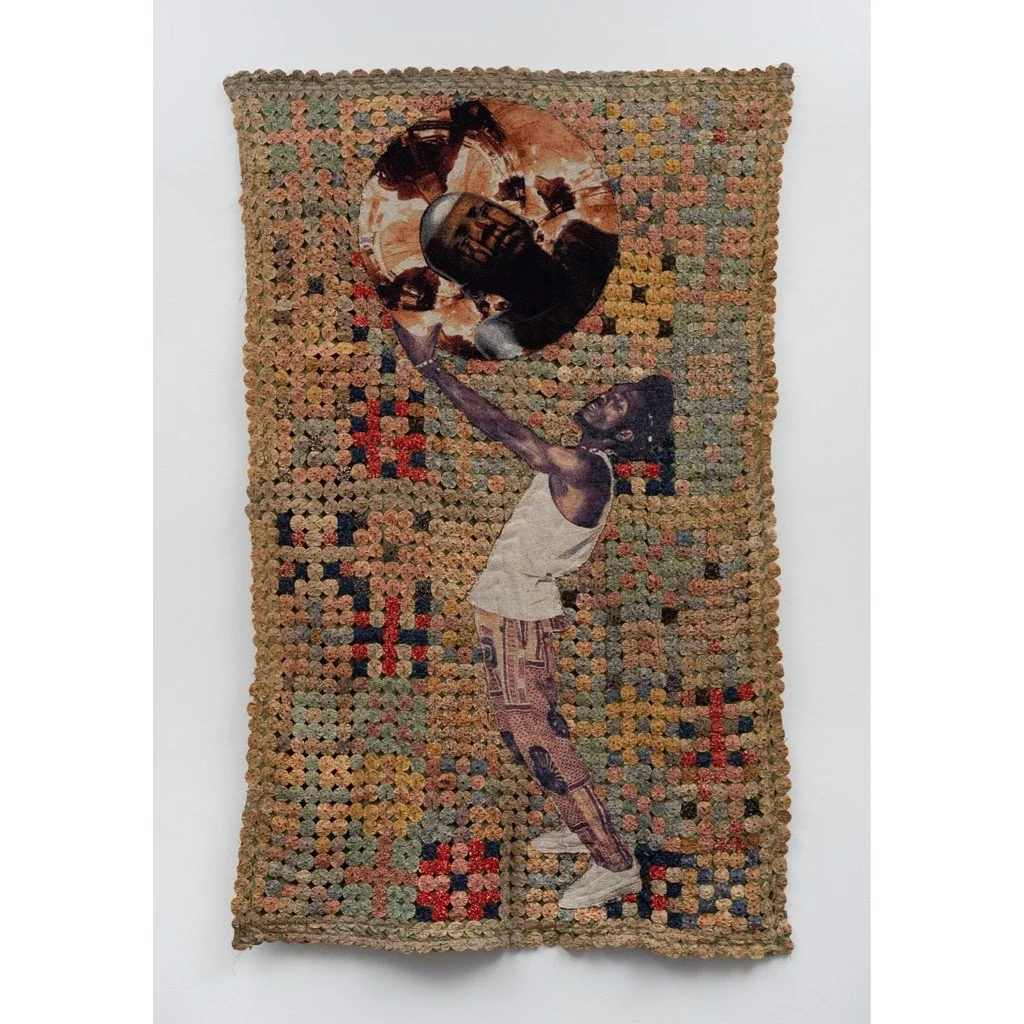
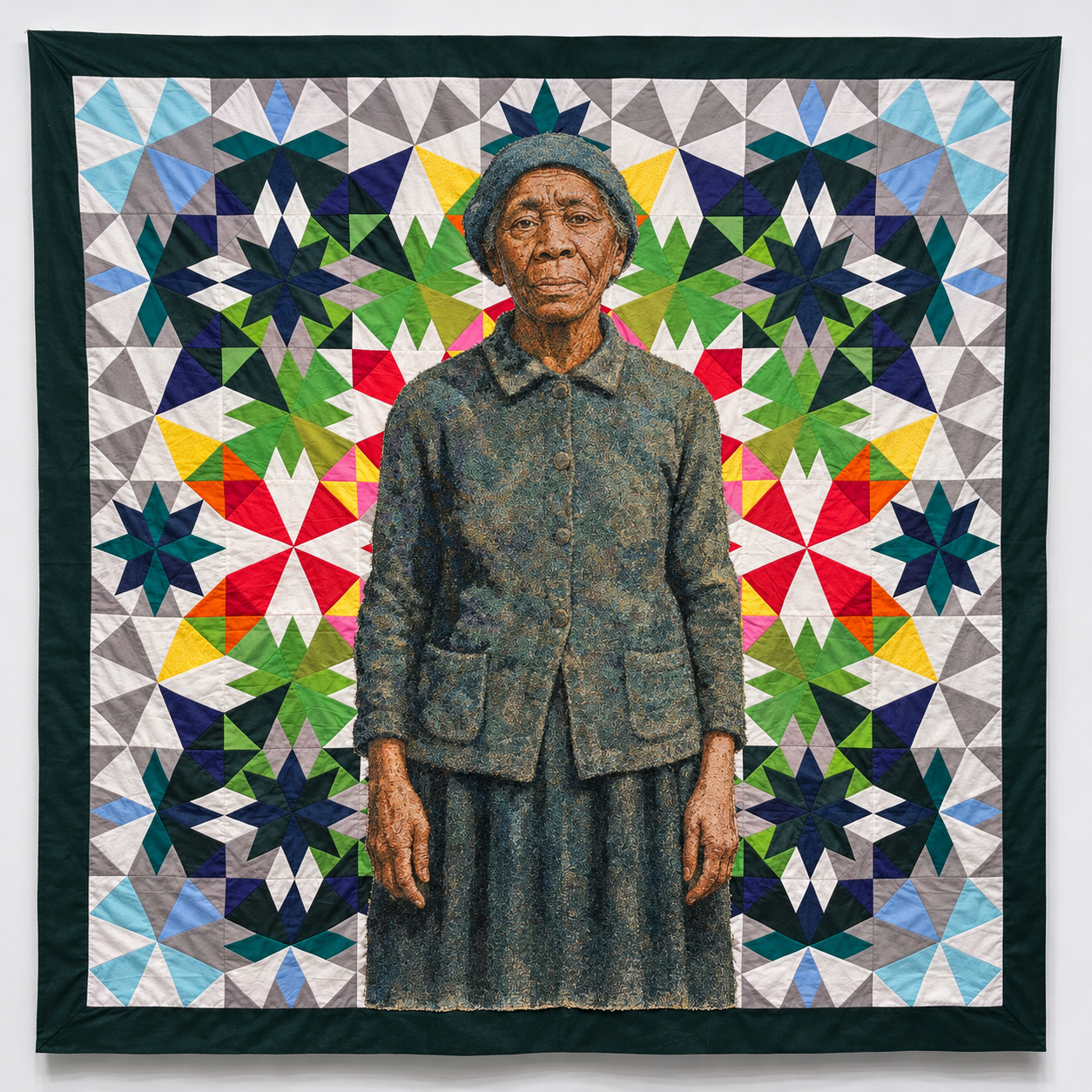
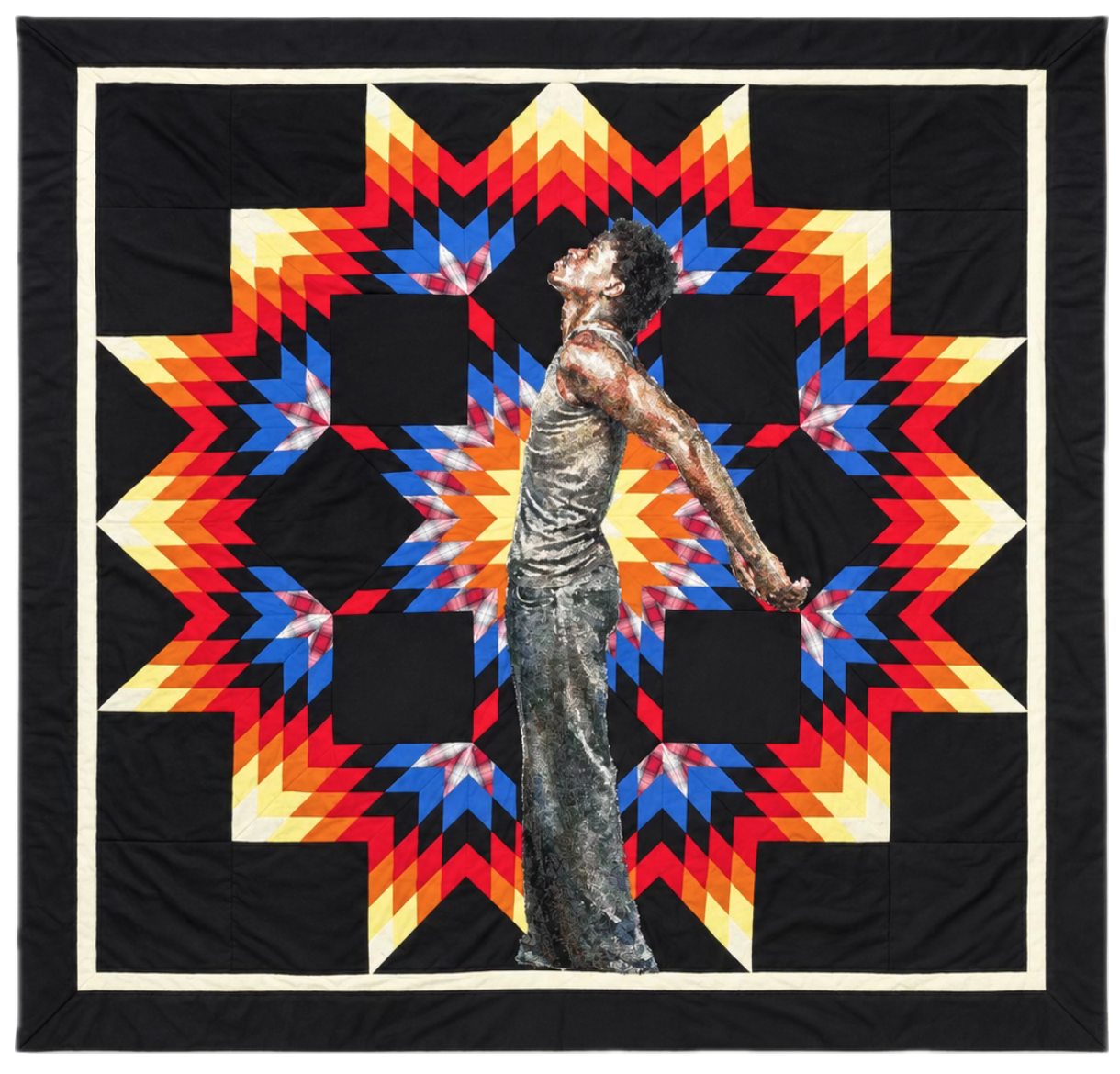
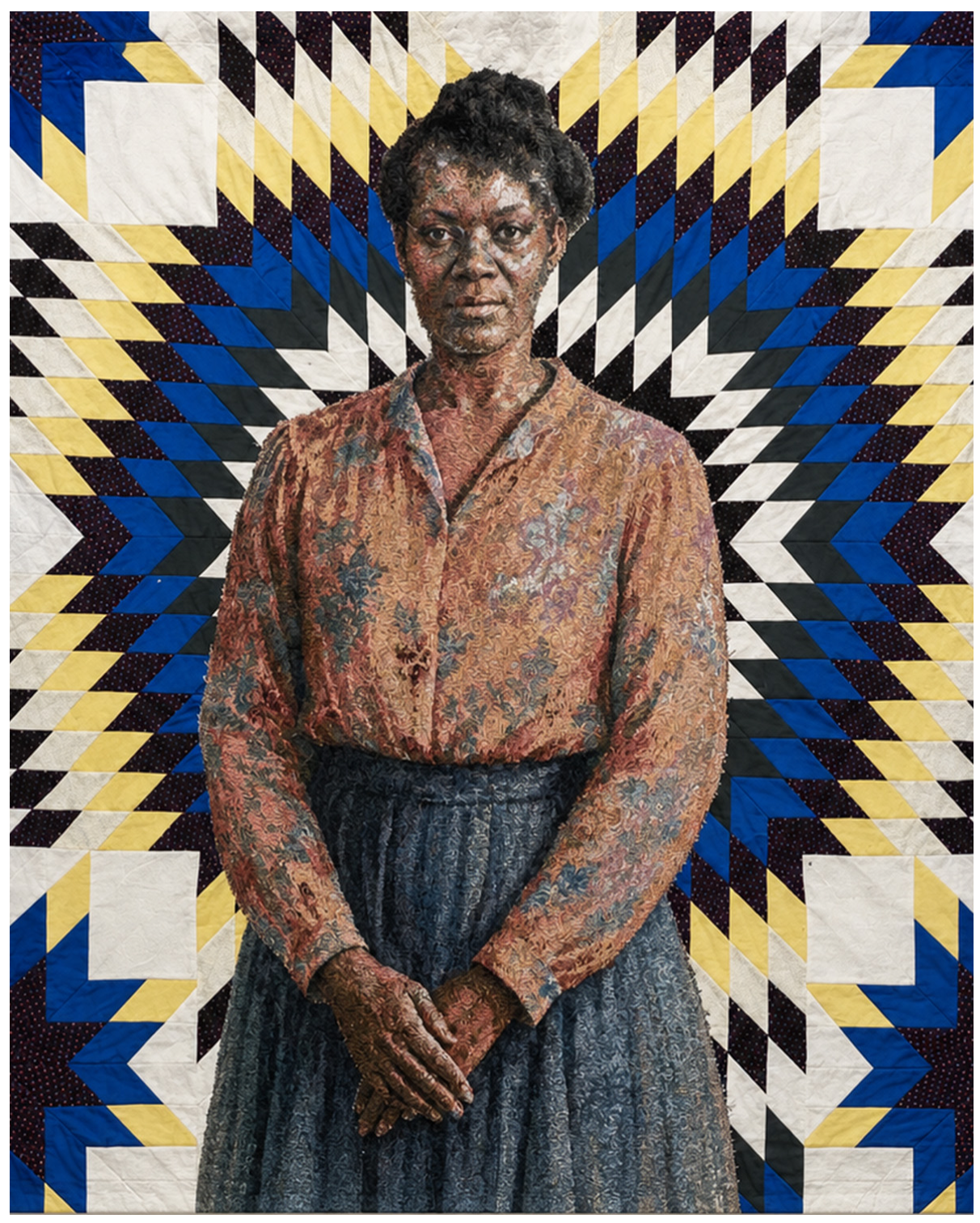
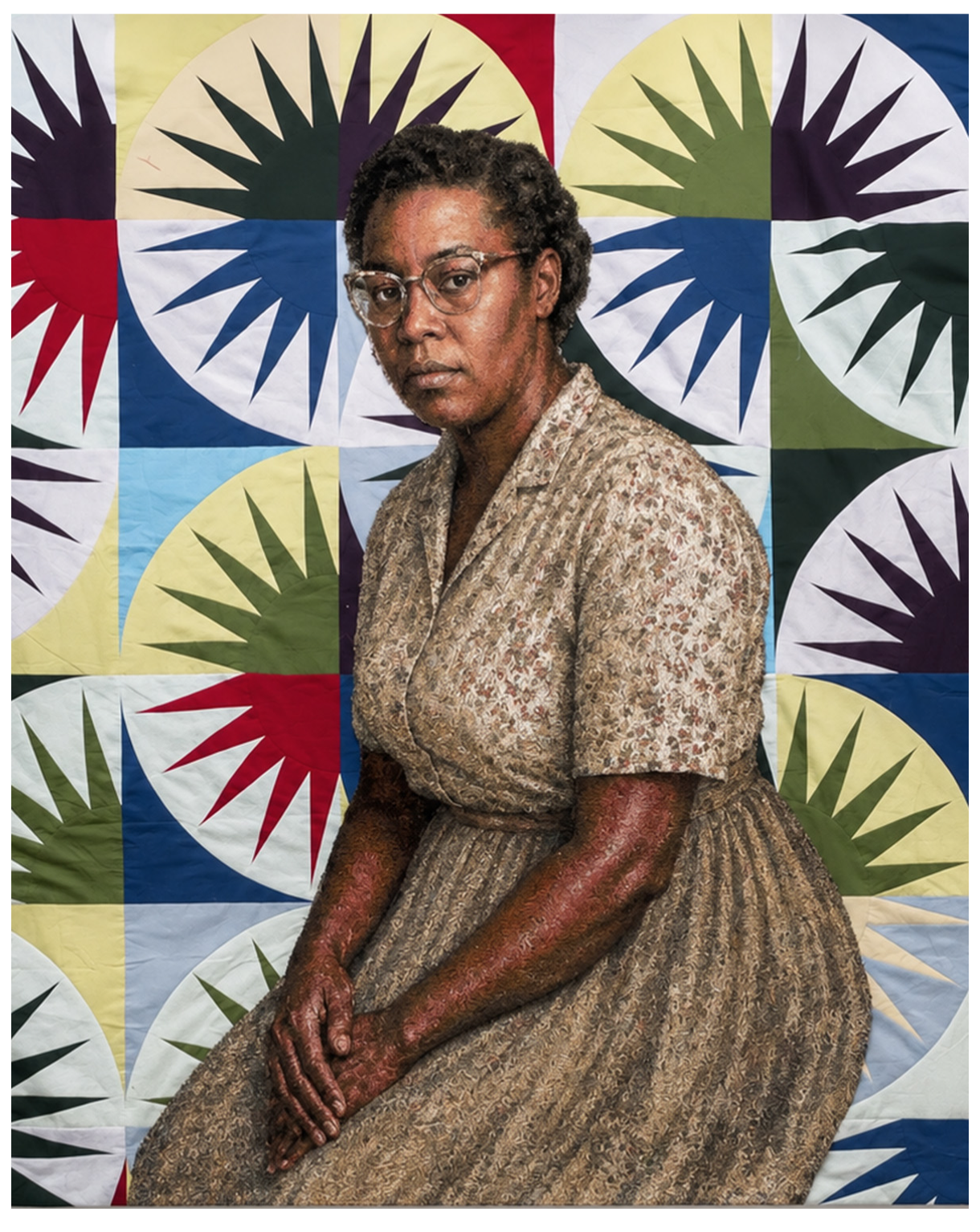
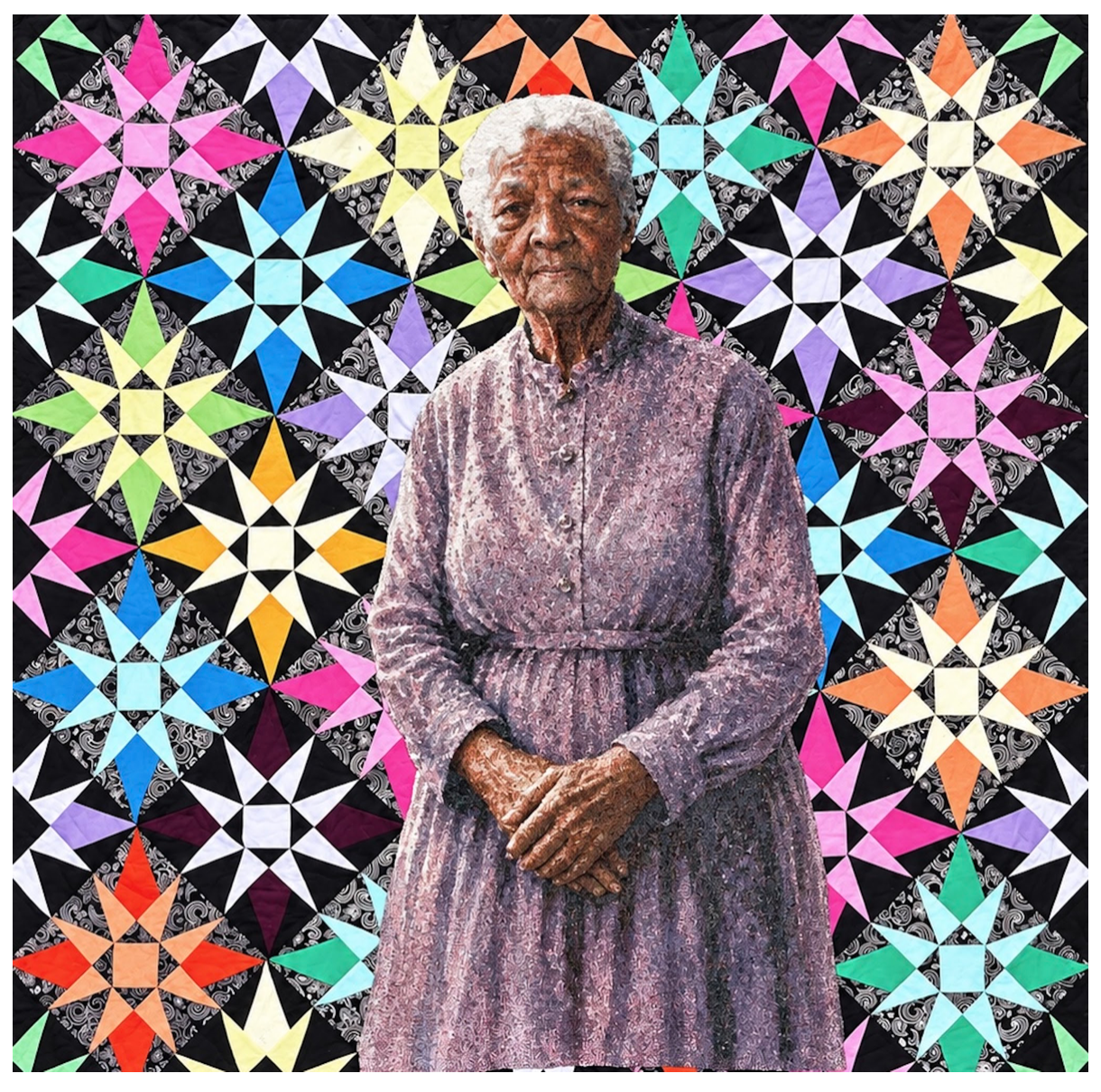
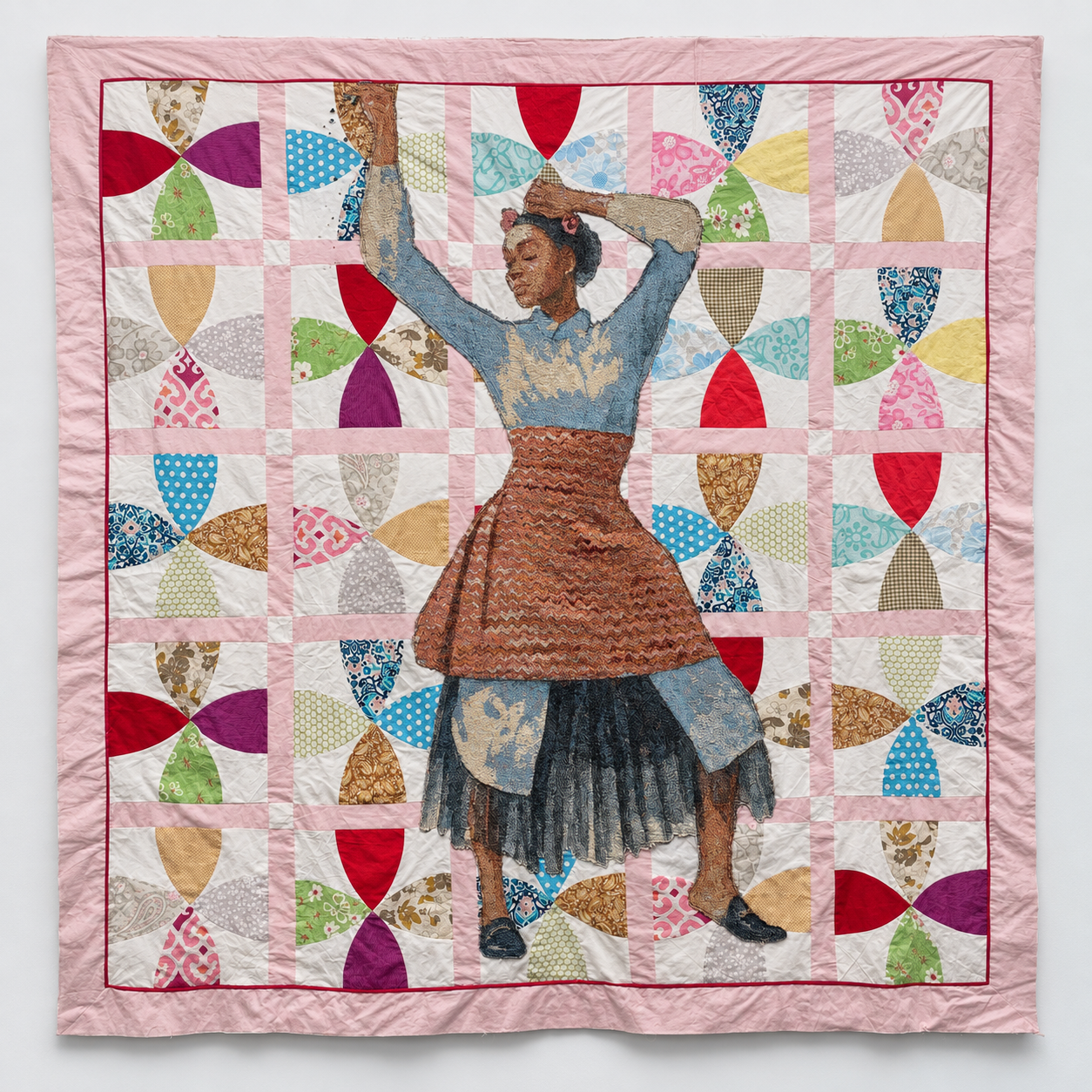
Fabric offers a particularly resonant language for this inquiry. It is among the most intimate of materials, accompanying us through the rituals of daily life while quietly accumulating the evidence of time. Through cutting, layering, stitching, and piecing together fragments, I draw upon traditions of quilting and patchwork as forms of ancestral knowledge. The seams remain visible, acknowledging that what has been broken or dispersed cannot always be made whole, but can nevertheless be brought into relation.
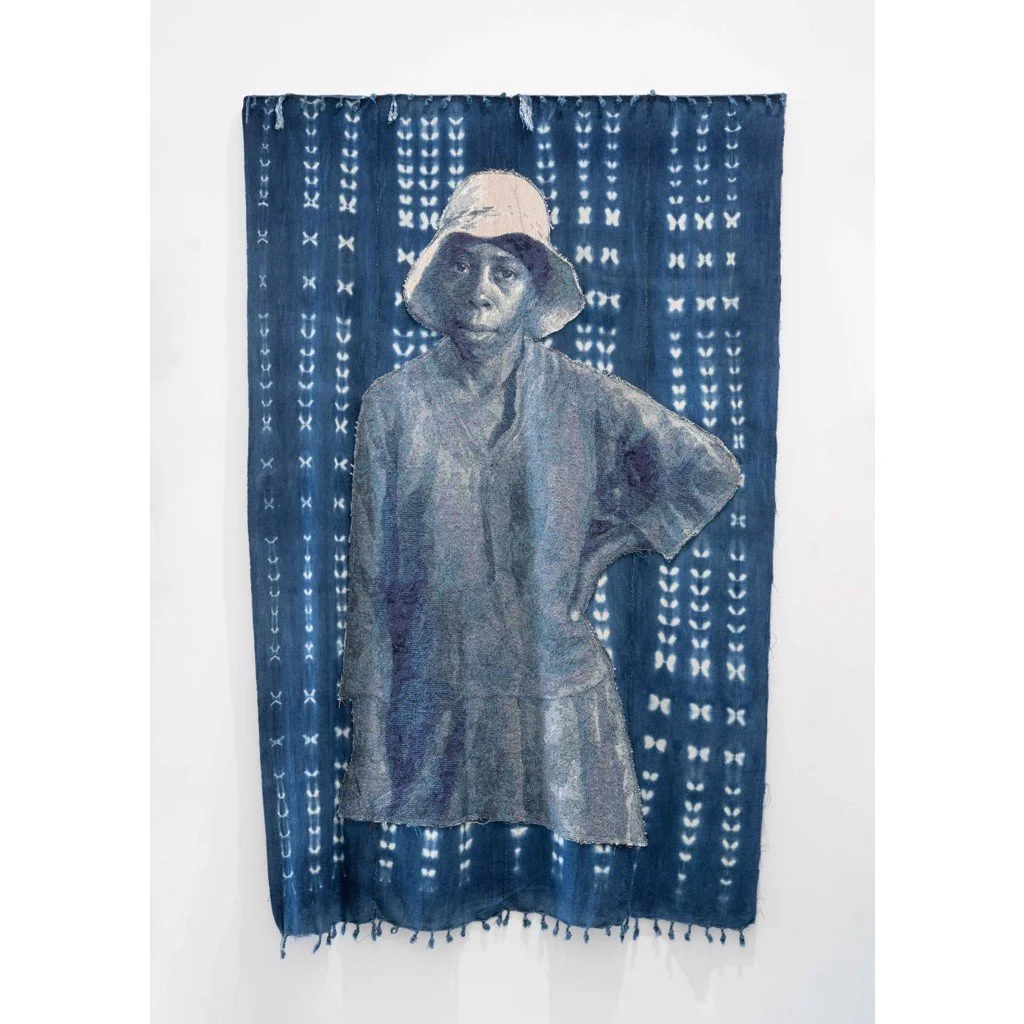
My newest portraits of Black domestic workers extend this inquiry into the question of how a life comes to be represented. Inspired by my grandmother, Ruth A. Brown, who worked in domestic service, these works reconsider women whose images and histories have so often been defined by their labor. Removed from the uniforms and interiors that once identified them through service, the women in these portraits are allowed simply to exist. They occupy space without obligation. Their stillness offers another way of seeing them, not as figures of labor or sacrifice, but as people whose inner lives exceeded the circumstances in which they lived.
Underlying these works is an understanding of art as a form of testimony and care, shaped by the spiritual traditions of the Black church and the belief that making can itself be an act of remembrance. I think of the artist as an intercessor, someone who attends to the space between what has been lost and what remains, between the living and those whose lives continue to shape our own.
Ultimately, these works are less about recovering the past than about reconsidering our relationship to it. They ask what it means to recognize the fullness of lives that history has only partially recorded, and what possibilities emerge when remembrance becomes not an exercise in nostalgia, but an act of imagination.
The past, after all, has never been entirely past. It remains stitched into the fabric of the present, shaping not only who we are, but who we might yet become.